
current. Torque is produced by the action of the rotor (secondary) The synchronous motor resembles a dc motor turned inside out, with the permanent magnets mounted on the rotor. As an alternative, some are constructed
using a wound rotor excited by a dc voltage through slip rings. The flux created by the current-carrying conductors in the stator rotates around the inside of the stator in order to achieve motor action.
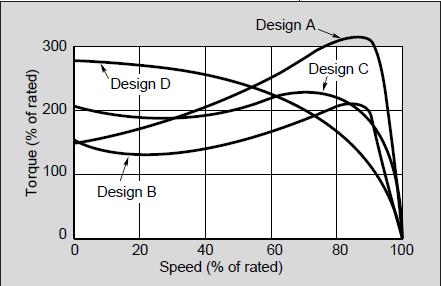
Induction motors These motors are probably the simplest and most rugged of all electric motors. They consist of two basic electrical assemblies: the wound stator and the rotor assembly. The rotor consists of laminated, cylindrical
iron cores with slots for receiving the conductors. On early motors, the conductors were copper bars with ends welded to copper rings known as end rings. Viewed from the end, the rotor assembly resembles a squirrel cage, hence the name “squirrel- cage” motor is used to refer to induction motors. In modern induction motors, the most common type of rotor
has cast-aluminum conductors and short-circuiting end rings. The rotor turns when the moving magnetic field induces a current in the shorted conductors. The speed at which the magnetic field rotates is the synchronous speed of the motor and is determined by the number of poles in the stator and the frequency of the power supply.
Contact: Sammy
Skype:
Tel:
Email: sammyfu@electricmotorscn.com
Add: Building 3, No. 2 Chaoheng Road, Chashan Town, Dongguan City, Guangdong Province
 Sammy
Sammy